Phẫu thuật hàm mặt tổng quátGeneral Oral and Maxillofacial Surgery
02/05/2026
Phẫu thuật hàm mặt tổng quát là gì?
Phẫu thuật hàm mặt tổng quát bao gồm các thủ thuật và phẫu thuật thường gặp trong chuyên ngành Miệng, Hàm Mặt, liên quan đến răng, xương hàm, mô mềm trong miệng và các cấu trúc lân cận vùng mặt. Đây là nhóm bệnh lý rộng, từ các vấn đề tương đối thường gặp như răng ngầm, răng khôn mọc lệch, nang xương hàm, cho đến những tổn thương cần phẫu thuật lấy bỏ, cấy implant nha khoa để thay thế răng mất, hoặc tái tạo ở mức độ phù hợp.
Khác với các lĩnh vực chuyên sâu hơn như chỉnh hình xương hàm, khớp thái dương hàm hay sọ mặt, phẫu thuật hàm mặt tổng quát tập trung vào những chỉ định thường quy nhưng vẫn đòi hỏi đánh giá đúng, kỹ thuật phù hợp và theo dõi sau mổ cẩn thận.
Những trường hợp nào có thể cần thăm khám?
Thăm khám chuyên sâu có thể được cân nhắc trong các tình huống như:
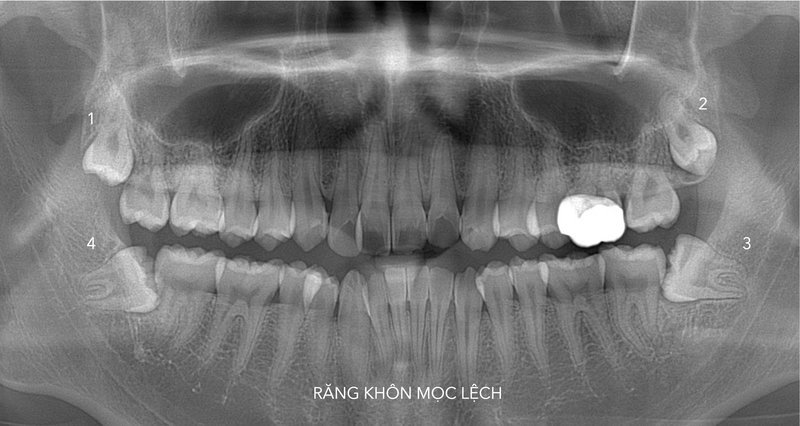
Răng khôn mọc lệch, mọc ngầm hoặc gây đau, viêm tái phát
Răng ngầm cần đánh giá vị trí và chỉ định phẫu thuật
Nang xương hàm, u lành hoặc các tổn thương xương vùng hàm mặt
Tổn thương phần mềm trong miệng cần sinh thiết hoặc phẫu thuật lấy bỏ
Mất răng cần đánh giá chỉ định cấy implant nha khoa
Các bệnh lý vùng miệng – hàm mặt cần xử trí ngoại khoa theo chỉ định
Những trường hợp đã điều trị trước đó nhưng còn tái phát, đau kéo dài hoặc lành thương không thuận lợi
Không phải mọi tổn thương vùng miệng – hàm mặt đều cần phẫu thuật. Quyết định điều trị luôn cần dựa trên thăm khám, hình ảnh học, mức độ triệu chứng và nguy cơ tiến triển của từng trường hợp.
Mục tiêu của điều trị
Phẫu thuật hàm mặt tổng quát hướng tới các mục tiêu sau:
Loại bỏ tổn thương hoặc nguyên nhân bệnh lý khi có chỉ định
Bảo tồn tối đa cấu trúc lành xung quanh
Giảm đau, giảm viêm và cải thiện triệu chứng
Hỗ trợ lành thương tốt và phục hồi chức năng
Khôi phục lại vùng mất răng bằng implant trong những trường hợp phù hợp
Giảm nguy cơ biến chứng hoặc tái phát
Đảm bảo quá trình điều trị phù hợp với từng người bệnh và từng mức độ bệnh lý
Ở nhiều trường hợp, điều trị đúng ngay từ đầu giúp giảm nguy cơ phải can thiệp lặp lại hoặc xử trí phức tạp hơn về sau.
Quy trình đánh giá và lên kế hoạch
Đánh giá trước điều trị thường bao gồm:
Khám lâm sàng trực tiếp
Đánh giá triệu chứng, mức độ đau, sưng, viêm hoặc hạn chế chức năng
Chụp X-quang hoặc CT khi cần để đánh giá vị trí răng, tổn thương xương, mức độ tiêu xương hoặc mối liên quan với cấu trúc quan trọng
Phân tích chỉ định phẫu thuật và mức độ can thiệp phù hợp
Đánh giá điều kiện xương và mô mềm trong những trường hợp có chỉ định cấy implant
Lập kế hoạch xử trí nhằm giảm sang chấn, kiểm soát tốt nguy cơ và hỗ trợ hồi phục thuận lợi
Ở các trường hợp có răng ngầm gần thần kinh, nang lớn, tiêu xương vùng mất răng hoặc tổn thương xương phức tạp hơn thường quy, việc đánh giá hình ảnh học có vai trò đặc biệt quan trọng.
Những nhóm bệnh lý thường gặp
Răng khôn và răng ngầm
Đây là nhóm chỉ định rất thường gặp trong phẫu thuật hàm mặt tổng quát. Người bệnh có thể đến khám vì đau, sưng, viêm quanh thân răng, nhét thức ăn, sâu răng kế cận hoặc phát hiện bất thường trên phim X-quang.
Điều quan trọng là không phải răng khôn nào cũng cần nhổ. Quyết định can thiệp dựa trên vị trí mọc, mức độ triệu chứng, nguy cơ biến chứng và ảnh hưởng lên răng hoặc mô xung quanh.
Nang xương hàm và các tổn thương lành tính
Nang xương hàm có thể được phát hiện tình cờ trên phim hoặc xuất hiện khi đã gây sưng, đau hoặc ảnh hưởng cấu trúc xương. Điều trị thường phụ thuộc vào loại tổn thương, kích thước, vị trí và mối liên quan với răng hoặc các cấu trúc giải phẫu lân cận.
Tổn thương phần mềm vùng miệng
Một số tổn thương niêm mạc, mô mềm hoặc khối vùng miệng có thể cần sinh thiết hoặc lấy bỏ để chẩn đoán và điều trị. Ở nhóm này, điều quan trọng là đánh giá đúng tính chất tổn thương và chỉ định can thiệp ở mức phù hợp.
Cấy implant nha khoa thay thế răng mất
Cấy implant là một lựa chọn điều trị nhằm thay thế răng mất bằng chân răng nhân tạo đặt trong xương hàm, từ đó tạo nền tảng cho phục hình cố định hoặc phục hình theo kế hoạch điều trị. Ở nhóm bệnh nhân phù hợp, implant không chỉ giúp cải thiện chức năng ăn nhai mà còn hỗ trợ duy trì cấu trúc xương và sự ổn định lâu dài của phục hình.
Việc chỉ định cấy implant cần dựa trên đánh giá đầy đủ về chất lượng và thể tích xương, tình trạng mô mềm, khớp cắn, sức khỏe toàn thân và mục tiêu điều trị của từng người bệnh.
Vai trò của phẫu thuật và kỹ thuật ít sang chấn
Dù nhiều thủ thuật trong phẫu thuật hàm mặt tổng quát được xem là thường quy, nguyên tắc điều trị vẫn là:
Can thiệp đúng chỉ định
Hạn chế sang chấn không cần thiết
Bảo tồn mô lành tối đa
Kiểm soát chảy máu, đau và nguy cơ nhiễm trùng
Hỗ trợ lành thương thuận lợi sau mổ
Trong các trường hợp phù hợp, lựa chọn kỹ thuật và dụng cụ đúng có thể giúp người bệnh hồi phục nhẹ nhàng hơn và giảm khó chịu sau phẫu thuật.
Sau phẫu thuật sẽ hồi phục như thế nào?
Tuỳ loại can thiệp, người bệnh có thể gặp:
Sưng nề nhẹ đến vừa
Đau hoặc khó chịu trong những ngày đầu
Hạn chế ăn nhai tạm thời
Cần chăm sóc vệ sinh vùng mổ và theo dõi lành thương
Ở đa số các thủ thuật thường quy, hồi phục diễn ra thuận lợi nếu chỉ định đúng, kỹ thuật phù hợp và người bệnh tuân thủ hướng dẫn chăm sóc sau mổ.
Khi nào nên thăm khám trực tiếp?
Một buổi thăm khám trực tiếp nên được cân nhắc khi:
Có đau, sưng, viêm hoặc khó chịu kéo dài vùng răng – hàm mặt
Có răng khôn mọc lệch, răng ngầm hoặc bất thường trên phim
Có tổn thương nghi ngờ ở niêm mạc miệng, xương hàm hoặc mô mềm
Bị mất răng và muốn được đánh giá khả năng cấy implant nha khoa
Muốn được đánh giá rõ hơn về chỉ định phẫu thuật và mức độ can thiệp cần thiết
Một kế hoạch điều trị đúng luôn bắt đầu từ chẩn đoán đúng, chỉ định phù hợp và theo dõi cẩn thận sau phẫu thuật.
What is general oral and maxillofacial surgery?
General oral and maxillofacial surgery includes the more common procedures and surgical conditions within the oral and maxillofacial field, involving teeth, jaw bones, oral soft tissue, and adjacent facial structures. This category ranges from relatively common issues such as impacted wisdom teeth, impacted teeth, and jaw cysts to selected lesions that require biopsy, excision, dental implant placement for replacement of missing teeth, or appropriate surgical management.
Unlike more subspecialized areas such as orthognathic surgery, temporomandibular joint reconstruction, or craniofacial surgery, general oral and maxillofacial surgery focuses on routine but still clinically important conditions that require accurate diagnosis, appropriate technique, and careful postoperative follow-up.
Who may require evaluation?
A specialized evaluation may be appropriate in situations such as:
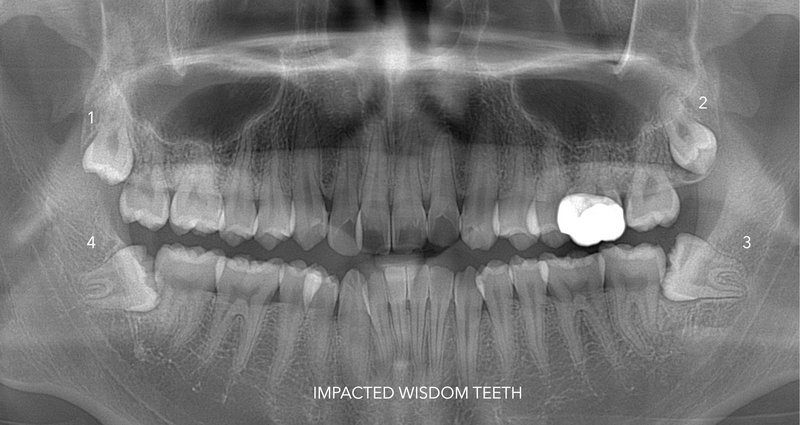
Impacted or malpositioned wisdom teeth causing pain or recurrent inflammation
Impacted teeth requiring assessment of position and surgical indication
Jaw cysts, benign tumors, or other bony lesions of the maxillofacial region
Soft-tissue lesions in the oral cavity requiring biopsy or excision
Missing teeth requiring assessment for dental implant placement
Oral and maxillofacial conditions that require surgical treatment
Cases previously treated but still associated with recurrence, persistent pain, or poor healing
Not every oral or maxillofacial lesion requires surgery. Treatment decisions should always be based on clinical examination, imaging, symptoms, and the likely behavior of the lesion.
Goals of treatment
General oral and maxillofacial surgery aims to:
Remove the lesion or underlying cause when indicated
Preserve surrounding healthy structures as much as possible
Reduce pain, inflammation, and symptoms
Support healing and functional recovery
Restore missing teeth with dental implants in appropriate cases
Reduce the risk of complications or recurrence
Ensure treatment is appropriate for the specific patient and pathology
In many cases, timely and correct treatment can reduce the risk of repeated intervention or more complex procedures later on.
Evaluation and planning
Preoperative assessment typically includes:
Direct clinical examination
Evaluation of symptoms such as pain, swelling, inflammation, or functional limitation
X-ray or CT imaging when needed to assess tooth position, bony lesions, bone loss, or the relationship to important anatomical structures
Analysis of the indication for surgery and the appropriate extent of intervention
Evaluation of bone and soft tissue conditions in cases planned for implant placement
Planning with the aim of minimizing trauma, controlling risk, and supporting a smoother recovery
In cases involving impacted teeth close to nerves, large cysts, bone loss in edentulous areas, or more complex bony lesions, imaging plays a particularly important role.
Common groups of conditions
Wisdom teeth and impacted teeth
These are among the most common indications in general oral and maxillofacial surgery. Patients may present with pain, swelling, recurrent pericoronitis, food impaction, damage to adjacent teeth, or incidental radiographic findings.
Importantly, not every wisdom tooth needs to be removed. The decision depends on symptoms, position, risk of complications, and the effect on surrounding structures.
Jaw cysts and benign lesions
Jaw cysts may be found incidentally on imaging or may come to attention after causing swelling, discomfort, or structural effects on bone. Treatment depends on the type of lesion, size, location, and relationship to teeth or adjacent anatomical structures.
Oral soft-tissue lesions
Some mucosal or soft-tissue lesions of the oral cavity require biopsy or excision for diagnosis and treatment. In this group, accurate assessment of the lesion and appropriate indication for intervention are essential.
Dental implant placement for missing teeth
Dental implants are a treatment option for replacing missing teeth by placing an artificial root into the jaw bone, providing support for a fixed or planned prosthetic restoration. In suitable patients, implants can improve chewing function and help maintain long-term structural support for the restoration.
Indication for implant placement should be based on full assessment of bone volume and quality, soft tissue condition, occlusion, general health, and the treatment goals of the individual patient.
The role of surgery and low-trauma technique
Even though many procedures in general oral and maxillofacial surgery are considered routine, the principles remain the same:
Operate only when appropriately indicated
Minimize unnecessary tissue trauma
Preserve healthy structures whenever possible
Control bleeding, pain, and infection risk
Support favorable postoperative healing
When appropriate, the choice of technique and instruments can help reduce postoperative discomfort and make recovery easier for the patient.
What is recovery like?
Depending on the type of procedure, patients may experience:
Mild to moderate swelling
Pain or discomfort in the first days
Temporary difficulty with chewing
The need for local wound care and healing follow-up
For most routine procedures, recovery is favorable when indication is appropriate, surgical technique is sound, and postoperative instructions are followed carefully.
When should you seek a direct consultation?
A direct consultation should be considered when:
There is persistent pain, swelling, inflammation, or discomfort in the oral–maxillofacial region
There is an impacted wisdom tooth, impacted tooth, or radiographic abnormality
There is a suspicious lesion of the oral mucosa, jaw bone, or soft tissue
A missing tooth requires evaluation for dental implant placement
You want a clearer assessment of whether surgery is indicated and how extensive treatment needs to be
A proper treatment plan always begins with accurate diagnosis, appropriate indication, and careful postoperative follow-up.