Phẫu thuật sọ mặt là gì?
Phẫu thuật sọ mặt là lĩnh vực tập trung vào các bất thường và tổn thương liên quan đến xương sọ, nền sọ trước và bộ xương mặt, bao gồm cả các bệnh lý bẩm sinh và mắc phải. Nhóm bệnh này không chỉ ảnh hưởng đến hình thể khuôn mặt mà còn có thể liên quan đến phát triển sọ, vị trí hốc mắt, đường thở, khớp cắn và chức năng của nhiều cấu trúc quan trọng vùng đầu mặt cổ.
Khác với những phẫu thuật chỉ giới hạn ở một xương hay một đơn vị giải phẫu, phẫu thuật sọ mặt thường đòi hỏi nhìn toàn bộ tương quan giữa sọ, hốc mắt, xương mặt, khớp cắn và mô mềm khuôn mặt. Vì vậy, đây là nhóm điều trị có mức độ phức tạp cao và thường cần chiến lược điều trị đa chuyên khoa.
Những trường hợp nào có thể cần thăm khám?
Thăm khám chuyên sâu có thể được cân nhắc trong các tình huống như:
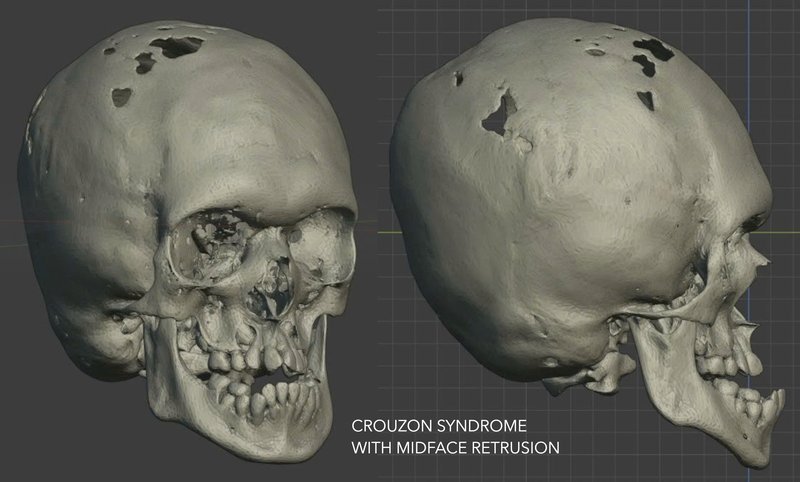
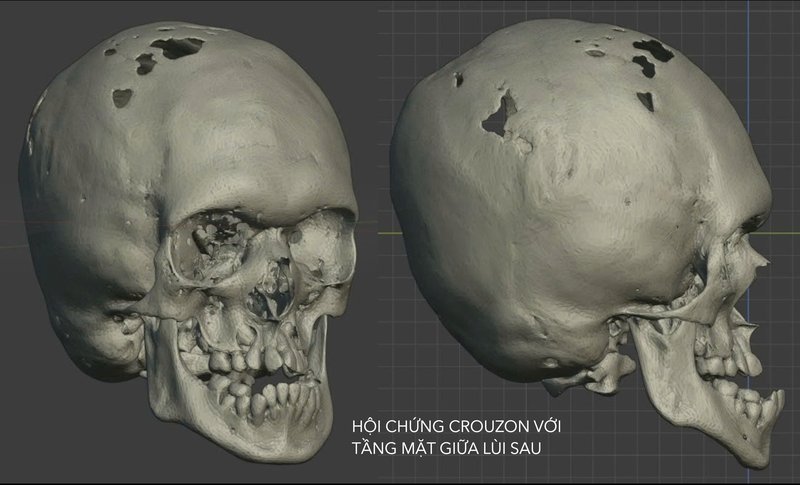
- Dị tật dính khớp sọ sớm (craniosynostosis), bao gồm cả các hội chứng sọ mặt như Apert, Crouzon, Pfeiffer…
- Dị tật bẩm sinh vùng sọ mặt
- Biến dạng sọ mặt do bất thường phát triển xương
- Các trường hợp bất đối xứng mặt phức tạp liên quan đồng thời vùng sọ và vùng mặt
- Chấn thương phối hợp vùng sọ và vùng mặt cần tái lập lại giải phẫu nhiều đơn vị
- Những trường hợp đã phẫu thuật trước đó nhưng còn biến dạng, di chứng chức năng hoặc cần tái tạo lại cấu trúc vùng sọ mặt
Ở những nhóm bệnh nhân này, điều quan trọng không chỉ là xác định “xương nào bị biến dạng”, mà còn là đánh giá ảnh hưởng của biến dạng đó lên bảo vệ não, vị trí hốc mắt, chức năng nhìn, khớp cắn, đường thở và thẩm mỹ khuôn mặt.
Mục tiêu của điều trị
Phẫu thuật sọ mặt hướng tới nhiều mục tiêu cùng lúc:
- Phục hồi hoặc tái lập giải phẫu vùng sọ và vùng mặt
- Bảo vệ và tạo điều kiện thuận lợi cho các cấu trúc quan trọng như não, mắt và đường thở
- Cải thiện sự cân đối giữa các tầng mặt
- Khôi phục chức năng liên quan đến ăn nhai, nhìn và hình thể khuôn mặt khi có chỉ định
- Cải thiện tình trạng hô hấp, bao gồm những trường hợp có ngưng thở khi ngủ tắc nghẽn liên quan đến cấu trúc sọ mặt
- Cải thiện khả năng khép mi mắt nhằm hỗ trợ bảo vệ nhãn cầu trong những trường hợp phù hợp
- Giảm nguy cơ di chứng lâu dài của biến dạng hoặc chấn thương
- Tạo nền tảng ổn định hơn cho phát triển và điều trị tiếp theo ở những trường hợp phù hợp
Ở nhiều bệnh nhân, mục tiêu điều trị không chỉ là sửa một biến dạng nhìn thấy được, mà là tái lập lại mối quan hệ đúng giữa hộp sọ, hốc mắt, xương hàm mặt và mô mềm.
Dị tật dính khớp sọ sớm
Dính khớp sọ sớm là tình trạng một hoặc nhiều đường khớp sọ đóng sớm hơn bình thường, làm ảnh hưởng đến sự phát triển cân đối của hộp sọ và có thể kéo theo biến dạng vùng trán, ổ mắt và toàn bộ cấu trúc sọ mặt. Ở một số trường hợp, đây không chỉ là vấn đề hình thể mà còn liên quan đến sự phát triển bình thường của hộp sọ và các cấu trúc nội sọ.
Tình trạng này có thể gặp ở dạng đơn lẻ, nhưng cũng có thể nằm trong các hội chứng sọ mặt phức tạp như Apert, Crouzon, Pfeiffer…, nơi biến dạng không chỉ giới hạn ở hộp sọ mà còn ảnh hưởng đến vùng giữa mặt, ổ mắt, đường thở và sự phát triển toàn bộ khối sọ mặt.
Trong nhóm bệnh lý này, điều trị đòi hỏi đánh giá chính xác loại khớp sọ bị ảnh hưởng, mức độ biến dạng, ảnh hưởng lên vùng trán – ổ mắt và mối liên quan với toàn bộ khuôn mặt. Đây cũng là một trong những tình huống điển hình cần sự phối hợp giữa phẫu thuật thần kinh và phẫu thuật hàm mặt trong chiến lược điều trị.
Phẫu thuật phối hợp giữa phẫu thuật thần kinh và phẫu thuật hàm mặt
Một đặc điểm quan trọng của phẫu thuật sọ mặt là tính đa chuyên khoa. Ở những ca liên quan đồng thời vùng sọ và vùng mặt, điều trị thường cần sự phối hợp giữa phẫu thuật thần kinh và phẫu thuật hàm mặt, cùng các chuyên khoa liên quan khác tùy từng trường hợp.
Sự phối hợp này đặc biệt quan trọng khi:
- Tổn thương hoặc biến dạng liên quan đến cả vùng sọ và khung xương mặt
- Có dính khớp sọ sớm hoặc biến dạng vùng trán – ổ mắt
- Cần tiếp cận đồng thời từ phía sọ và phía mặt
- Phải cân bằng giữa mục tiêu bảo vệ cấu trúc nội sọ và mục tiêu phục hồi hình thể khuôn mặt
- Cần tái tạo lại các mốc giải phẫu có liên quan đến mắt, nền sọ trước hoặc trán – ổ mắt
Vai trò của ứng dụng 3D trong phẫu thuật sọ mặt
Ở các ca sọ mặt phức tạp, ứng dụng 3D có vai trò đặc biệt quan trọng trong việc:
- Phân tích chính xác hình thái biến dạng hoặc tổn thương
- Đánh giá tương quan giữa hai bên trong các trường hợp bất đối xứng
- Lên kế hoạch đường cắt xương, hướng di chuyển và vị trí tái tạo
- Mô phỏng trước những thay đổi về cấu trúc và thể tích
- Thiết kế các giải pháp cá thể hoá nhằm hỗ trợ phục hồi giải phẫu cho từng bệnh nhân
- Tăng khả năng kiểm soát trong các ca cần độ chính xác cao
Trong nhóm bệnh lý này, công nghệ không thay thế kinh nghiệm phẫu thuật, nhưng giúp quá trình điều trị trở nên có kế hoạch hơn, chính xác hơn và nhất quán hơn giữa bước phân tích trước mổ và thao tác trong mổ.
Chấn thương sọ mặt và tái tạo phức hợp
Ngoài các dị tật bẩm sinh, phẫu thuật sọ mặt còn liên quan đến những chấn thương phức hợp kết hợp vùng sọ và vùng mặt, đặc biệt khi tổn thương không còn khu trú ở một xương đơn lẻ. Ở các ca này, điều trị không chỉ là cố định xương gãy mà còn là tái lập lại toàn bộ khung nâng đỡ khuôn mặt, vị trí hốc mắt, trán – ổ mắt, cung gò má và các mốc đối xứng quan trọng.
Những trường hợp chấn thương phức hợp như vậy thường cần chiến lược phục hồi theo trình tự, xác định đúng đơn vị giải phẫu ưu tiên và phối hợp nhiều kỹ thuật tái tạo trong cùng một kế hoạch điều trị.
Quy trình đánh giá và lên kế hoạch
Những ca sọ mặt phức tạp thường cần:
- Khám lâm sàng trực tiếp
- Đánh giá biến dạng sọ và khuôn mặt
- Đánh giá chức năng nhìn, vận nhãn, khớp cắn, há miệng và đường thở khi cần
- CT để phân tích cấu trúc xương và mối liên quan giữa vùng sọ – mặt
- Đánh giá mô mềm và sự cân đối hai bên
- Lên kế hoạch điều trị đa chuyên khoa khi tổn thương vượt quá một vùng giải phẫu đơn lẻ
Ở các trường hợp phức tạp, việc lên kế hoạch không chỉ dừng ở từng xương riêng lẻ mà phải nhìn toàn bộ khuôn mặt theo các trục đối xứng, các tầng mặt và tương quan với hộp sọ.
Những băn khoăn thường gặp
Phẫu thuật sọ mặt có phải chỉ dành cho trẻ em không?
Không. Dù nhiều dị tật sọ mặt có biểu hiện từ nhỏ, phẫu thuật sọ mặt cũng bao gồm cả các trường hợp người lớn có biến dạng tồn tại từ trước, di chứng sau chấn thương hoặc các tình huống tái tạo phức hợp.
Có phải lúc nào cũng cần phối hợp phẫu thuật thần kinh?
Không phải mọi trường hợp đều cần. Tuy nhiên, ở các ca liên quan đồng thời vùng sọ và vùng mặt, đặc biệt có dính khớp sọ sớm hoặc tiếp cận qua vùng sọ, sự phối hợp với phẫu thuật thần kinh có thể đóng vai trò quan trọng để đảm bảo điều trị toàn diện và an toàn hơn.
Vai trò của ứng dụng 3D có thực sự cần thiết không?
Ở các ca sọ mặt đơn giản, điều trị có thể không cần đến mức lên kế hoạch phức tạp. Nhưng trong những trường hợp bất đối xứng, biến dạng lớn, dính khớp sọ sớm hoặc tái tạo nhiều đơn vị giải phẫu, ứng dụng 3D giúp tăng đáng kể khả năng phân tích, mô phỏng và kiểm soát độ chính xác.
Khi nào nên thăm khám trực tiếp?
Một buổi thăm khám trực tiếp nên được cân nhắc khi:
- Có dị tật hoặc biến dạng vùng sọ mặt
- Có dính khớp sọ sớm hoặc nghi ngờ bất thường phát triển hộp sọ
- Có chấn thương phức hợp liên quan đồng thời vùng sọ và vùng mặt
- Có bất đối xứng khuôn mặt tiến triển hoặc di chứng sau điều trị trước đó
- Muốn được đánh giá rõ hơn về khả năng phẫu thuật phối hợp và vai trò của lên kế hoạch 3D
Một kế hoạch điều trị đúng luôn bắt đầu từ việc đánh giá đúng cấu trúc biến dạng, chức năng bị ảnh hưởng và mục tiêu phục hồi lâu dài.